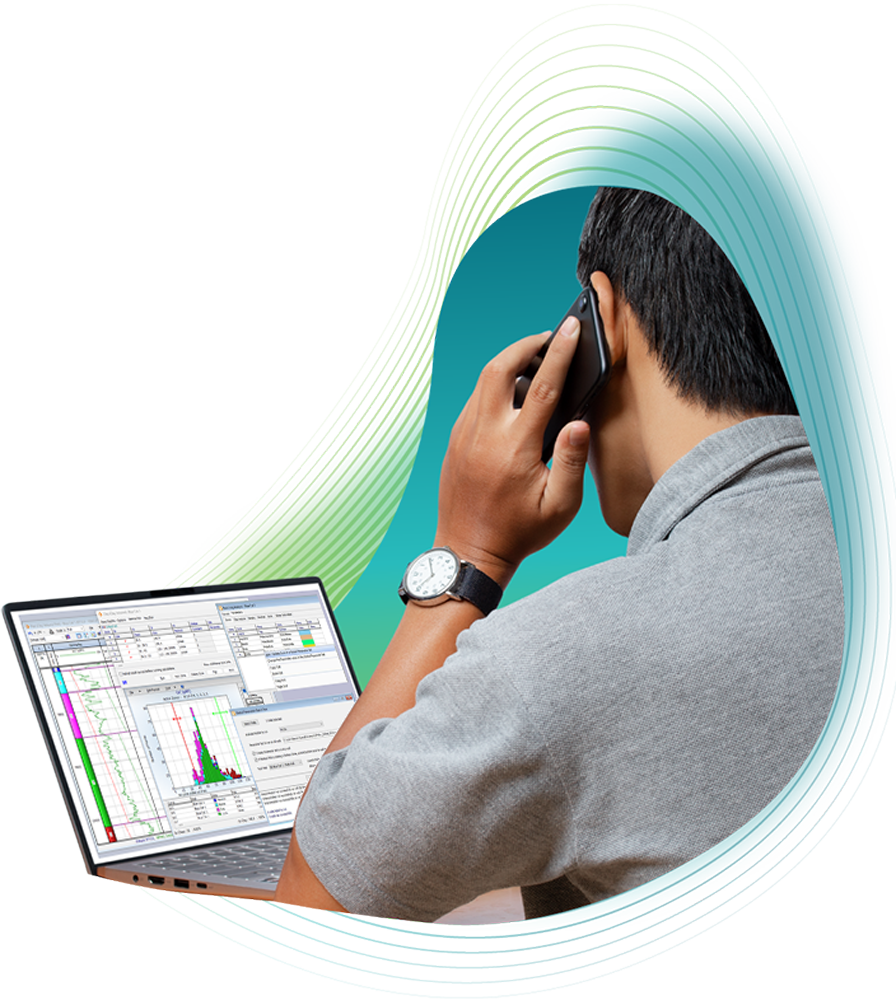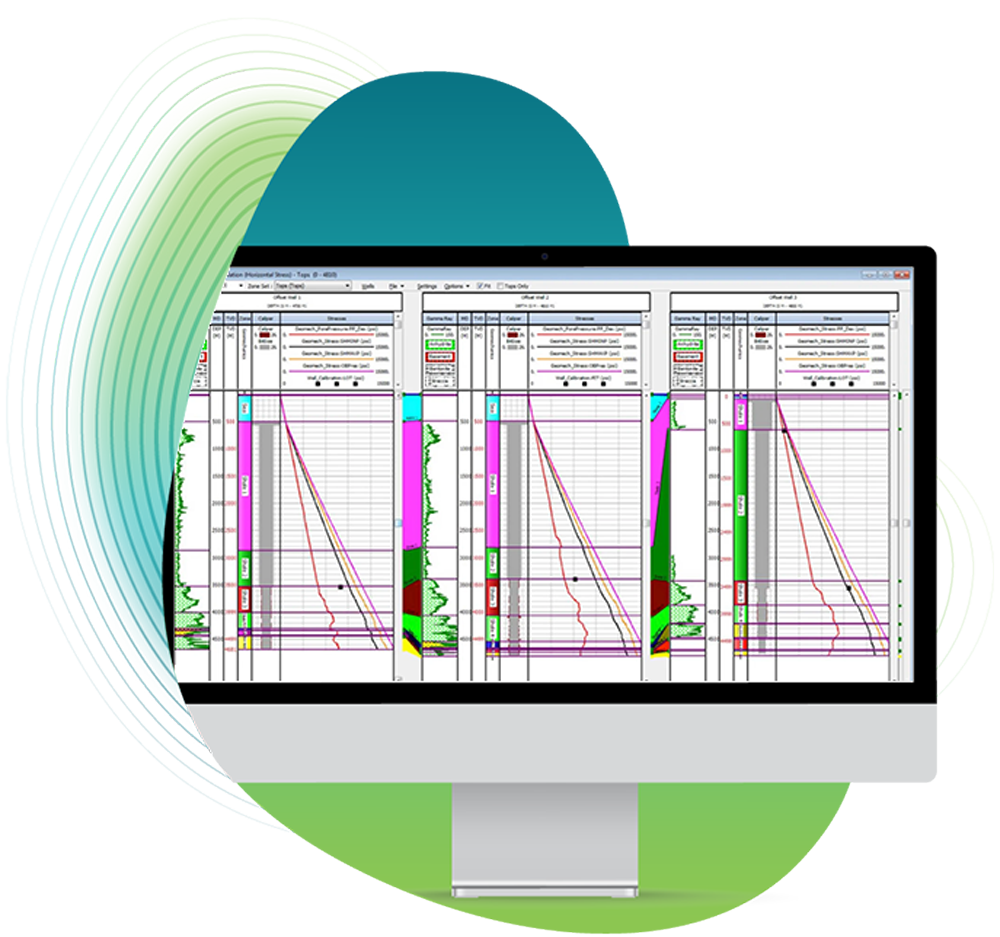
At Geoactive, we are always aiming for excellence. With nearly 30 years of continuous software innovation, our dedication to building the best subsurface analysis tool on the market remains steadfast.
The latest version of Interactive Petrophysics (IP) features significant performance and user experience enhancements, benefiting all users, current and new. Plus, we've introduced two new modules and made various improvements to our most popular existing ones.
IP is now more enhanced, durable, and prepared for the future.
What's new in IP 2026? - Webinar
First look at our latest updates, including the new Sonic Saturation, Multi-Well Experienced Eye, and Pyrolysis modules, plus smarter workflows like improved zone colours, enhanced flag curves, and powerful multi‑regression capabilities.
The new IP 2026 webinar now available to see on our Youtube channel, here...

Flag Curves
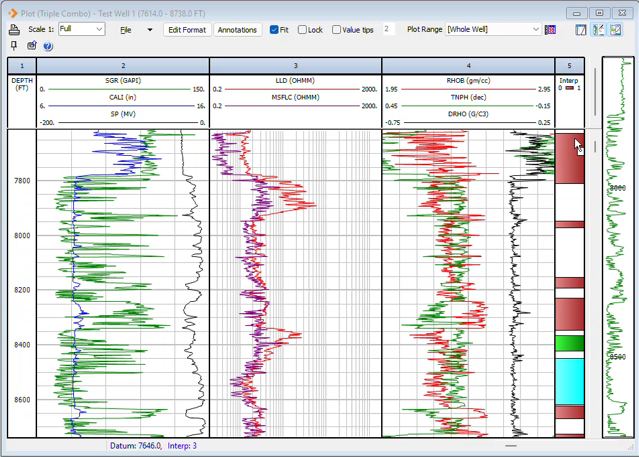
Flag Curves introduce a more intuitive way to visualize curve behaviour by automatically changing colours based on curve values.
Previously limited to a few advanced modules, they are now fully independent and easier to configure. Users can define how many Flags they need, choose custom colours, and interactively create new intervals by simply click-dragging in the plot. Flag tracks can also be copied and pasted between displays without losing any of their settings, making it simpler to maintain consistent visualisation across wells.
Multi-Well Histogram Viewer
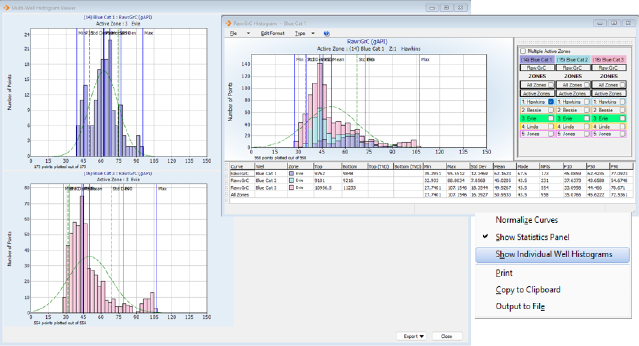
The Multi-Well Histogram Viewer lets users quickly compare histogram distributions across different wells. It is launched directly from the Histogram module with a right-click and keeps all existing Histogram settings, including data selection, colour options and display styles. This makes it easy to view multiple wells side by side using bars, lines, cumulative views or statistical overlays.
User App Code Editor
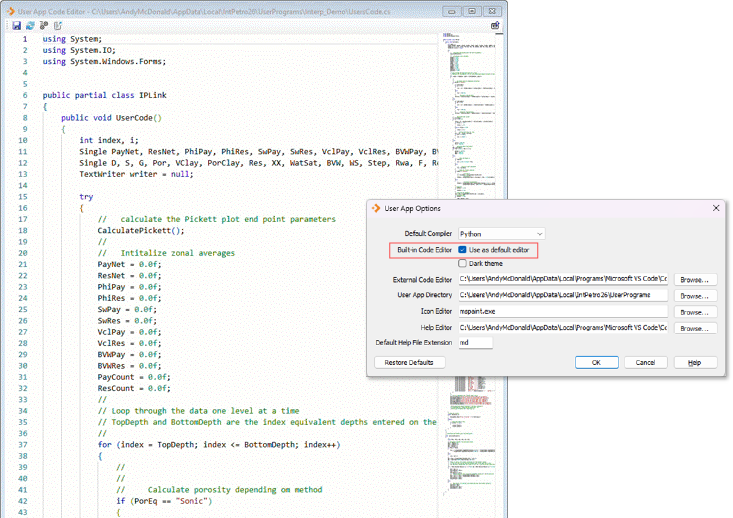
The User App code Editor allows you to work directly on User App scripts without relying on external tools. Built on the Microsoft Monaco engine - the same technology behind Visual Studio Code - it offers streamlined navigation with code folding, a preview pane and powerful search tools. You can still use external editors when deeper tooling is needed, but the built-in editor reduces setup effort and removes the need for additional software.
Sonic Saturation
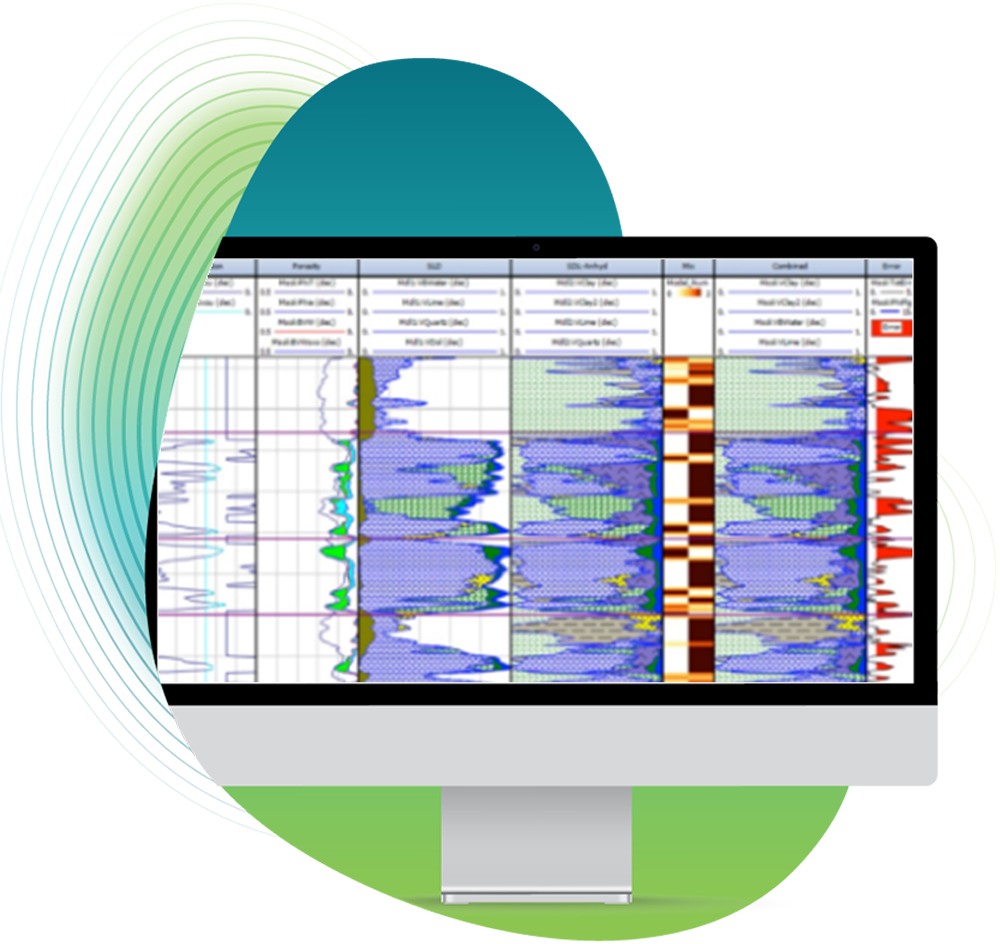
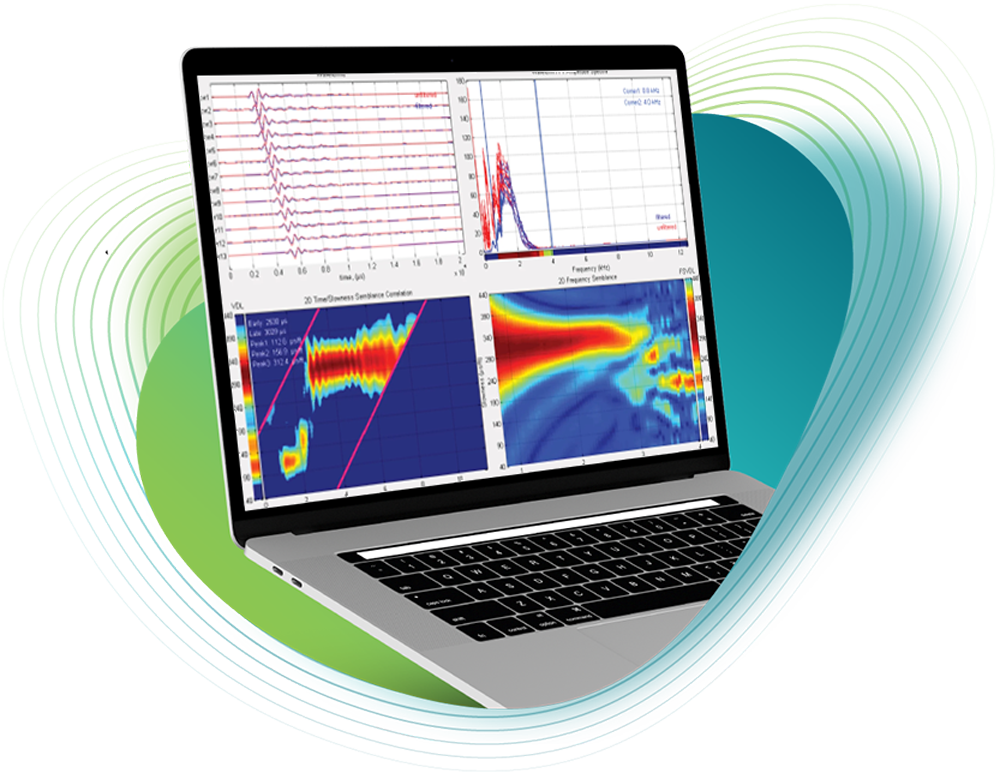
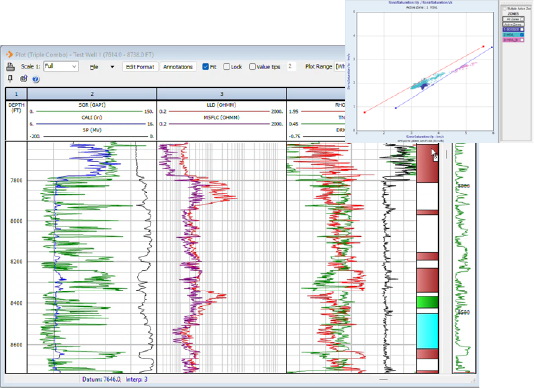
Sonic Saturation introduces a new model for estimating water saturation directly from sonic data, without relying on resistivity measurements. Applicable to both conventional and mixed reservoirs, including organic shales and carbonates, the method uses acoustic log P- and S-wave velocities alongside rock and fluid properties. Fully brine- and hydrocarbon-saturated trends can be defined from zones, fluid substitutions or interactively by the user, providing flexibility and control. Independent of Archie assumptions, the approach integrates naturally with rock physics and is particularly effective in thin beds, organic shales and cased-hole environments, while extending published research with added interactivity and functionality.
Experienced Eye
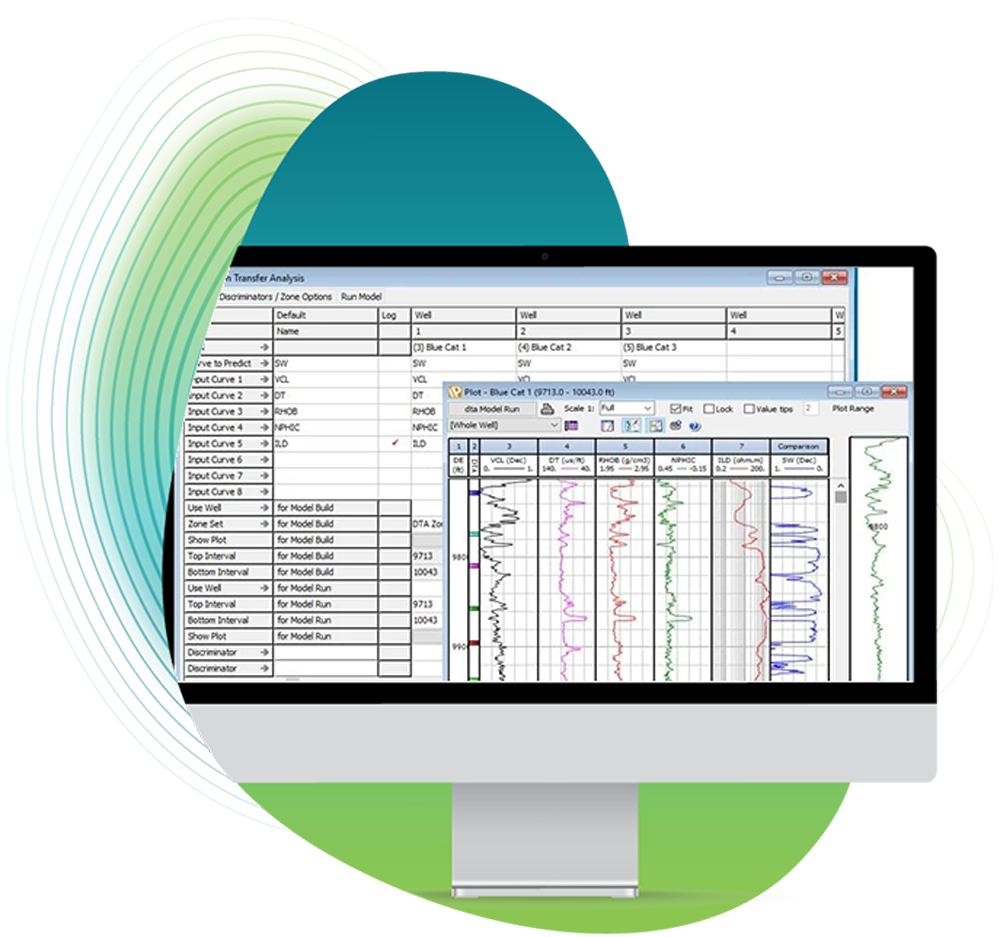
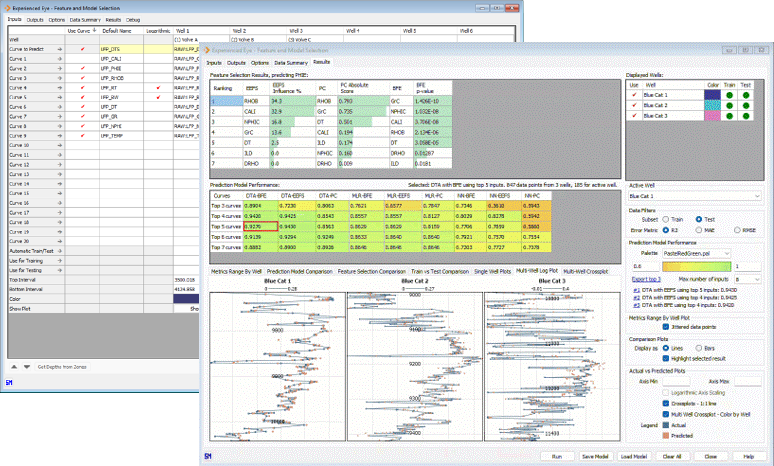
Experienced Eye streamlines multi-well feature selection and machine-learning model development by enabling fast, transparent comparison of input curves and models. Interactive visualizations allow users to explore feature rankings, test input combinations and assess model performance well-by-well and across wells. The workflow remains user-controlled, improving confidence in predictions while significantly reducing time spent comparing models.
Casing Inspection
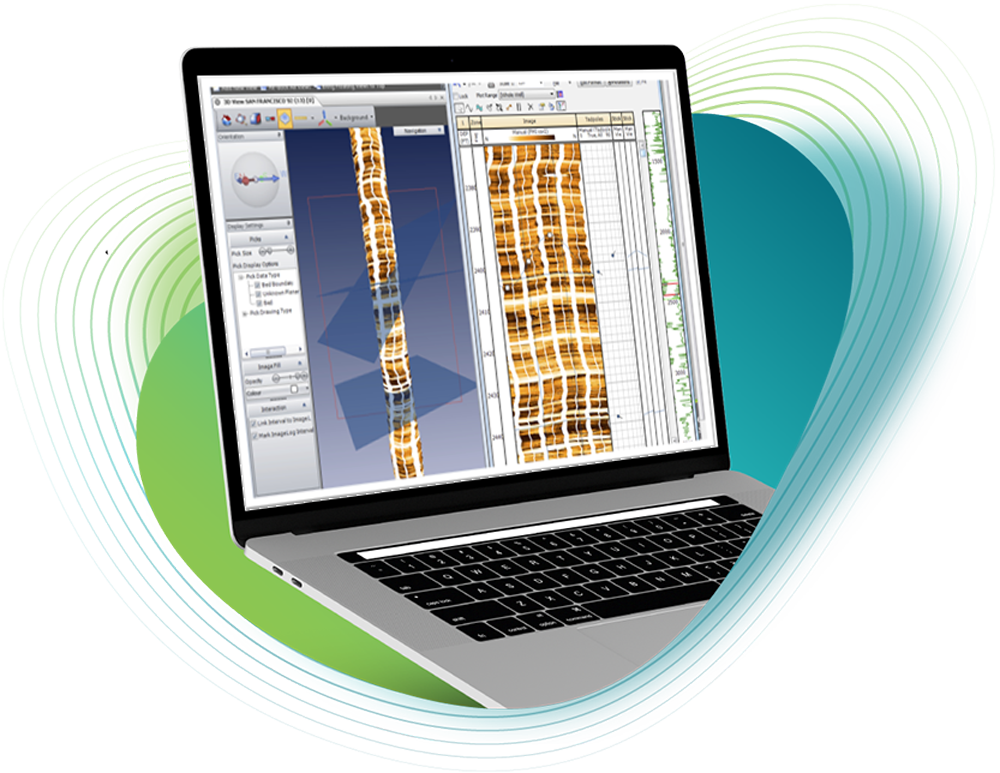
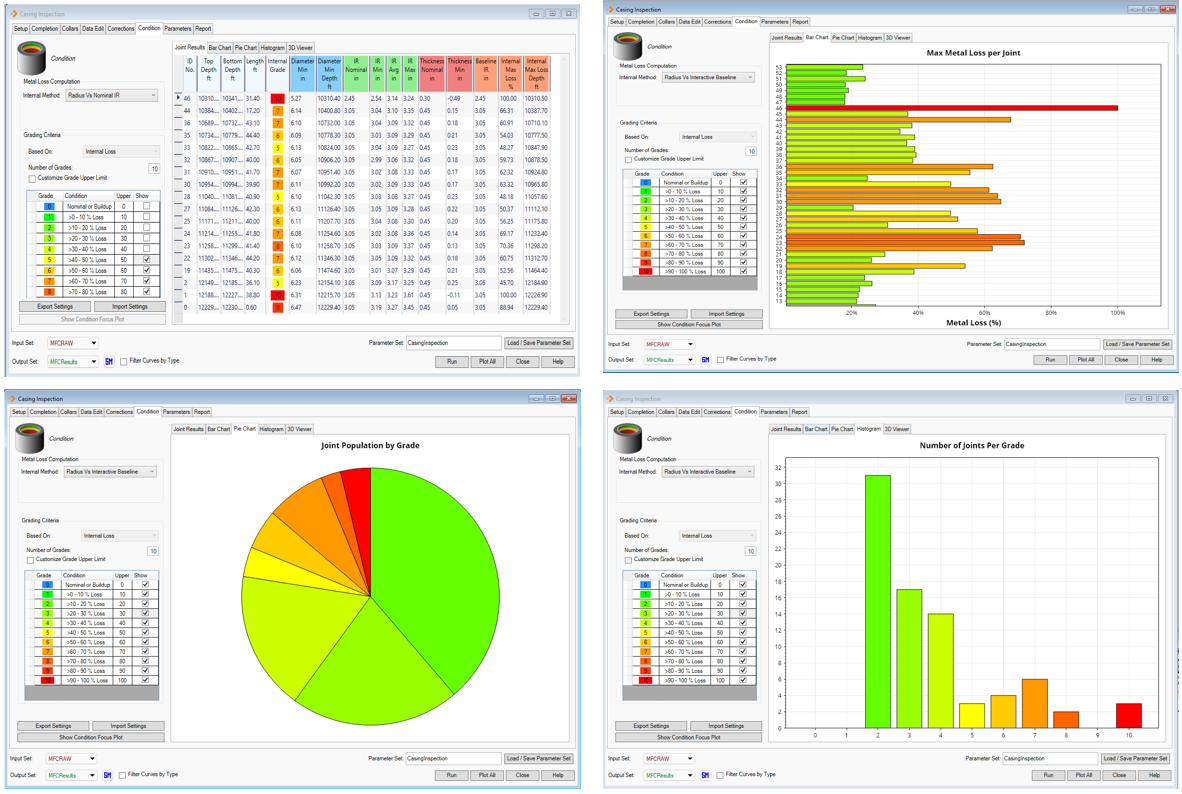
Casing Inspection now includes an integrated 3D Borehole Viewer for interactive joint and interval visualisation, along with new calculations for external metal loss using ultrasonic, caliper and magnetic thickness data. The workflow improves grading consistency, supports editable thickness inputs and introduces colour-coded tables and summary charts that make tables and summary charts that make casing condition and metal-loss trends easier to interpret and report.
Toolkits